
Rensselaer Polytechnic Institute's enrollment team looked at where deposited students actually got stuck each summer: an unopened aid package, a loan step sitting outstanding for weeks, and a family that needs to talk through the numbers at night.
"The question is not where can we deploy an agent. It is where are our students getting stuck," says Wendy Lin-Cook, RPI's Vice Provost in Enrollment Management.
Vera picks up where students stall
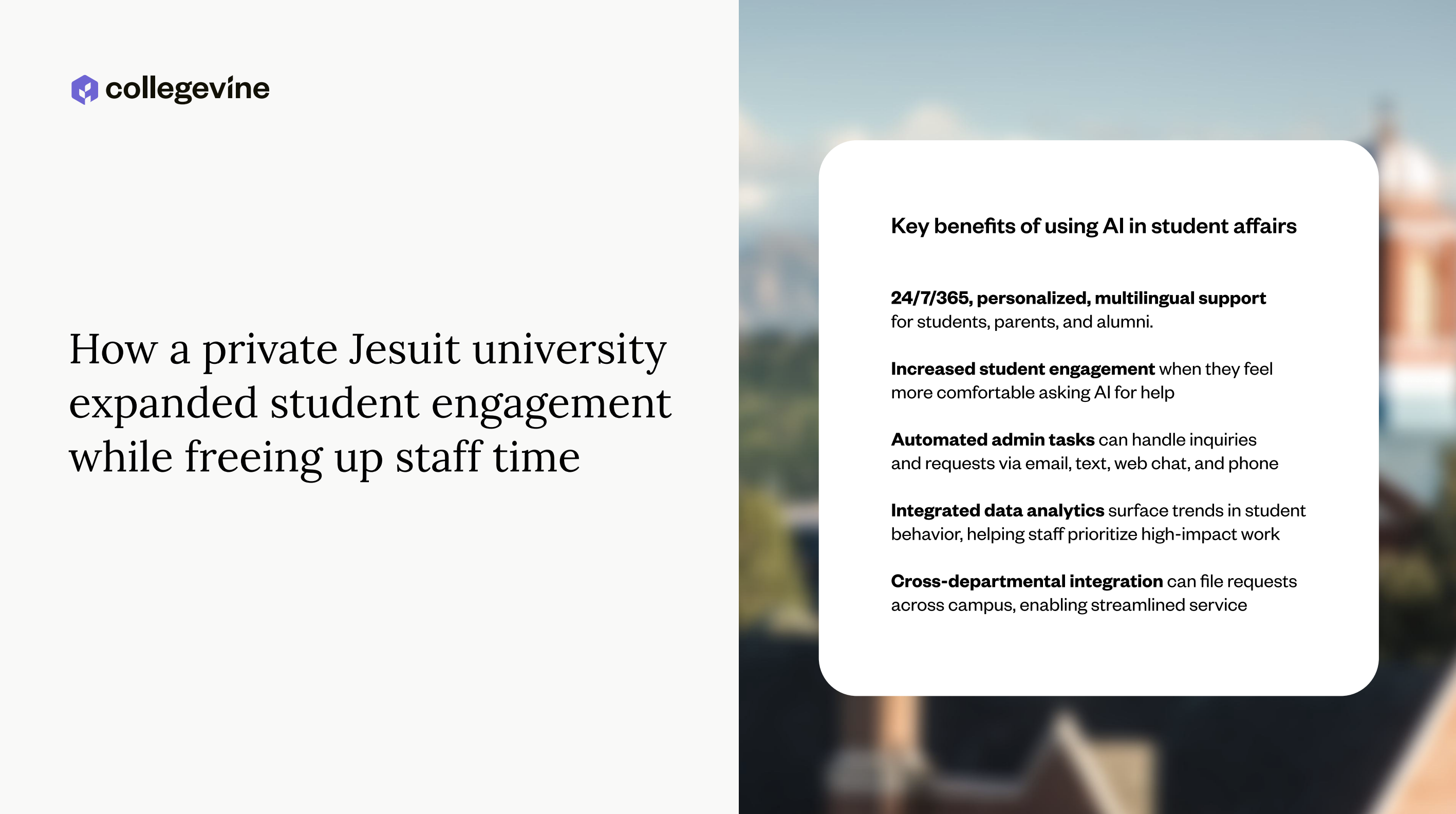
Vera, RPI's financial aid agent, went live in January 2026, three weeks after kickoff, reaching students by phone, text, and email. In a July 2026 outbound wave, she reached 653 students; 312 engaged with her directly and 130 cleared their aid blockers within 5 days. Just over half of inbound interactions came in after hours, when no counselor was on the phone.
Six documents cleared in a 27-minute call
One student had 6 documents outstanding, an aid package he'd never opened, and no fall registration. On a 27-minute call, Vera walked him through the portal and explained what accepting a loan commits him to, waiting while he checked with his father before picking the conversation back up where they'd left off. In the days that followed, he accepted his award, worked through loan entrance counseling, and signed his master promissory note.
That data now feeds a melt-prevention dashboard
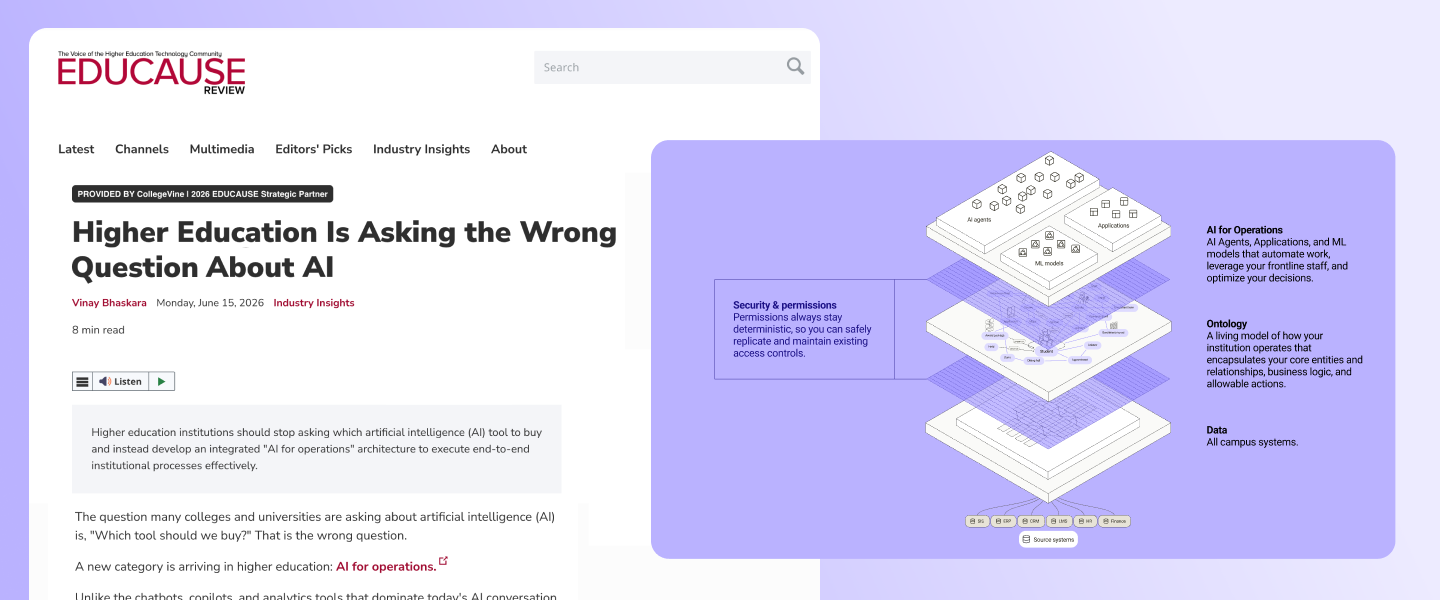
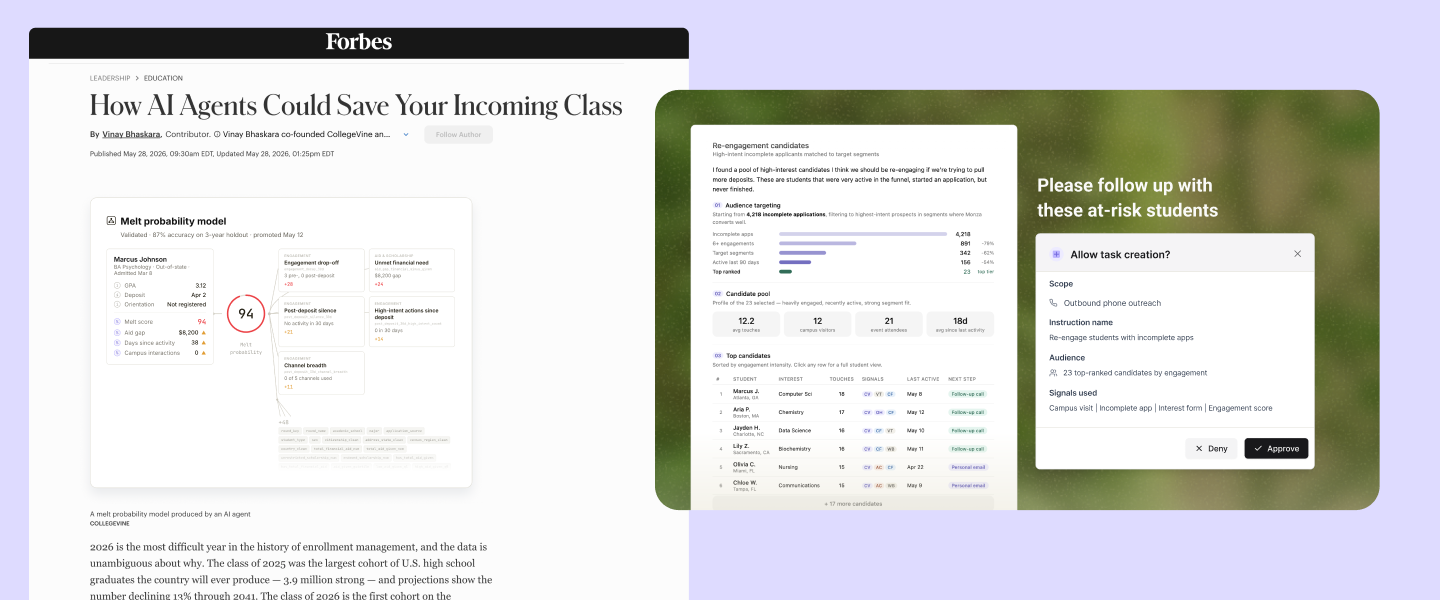
RPI structures what Vera hears, every question a student asks, every worry he raises unprompted, into what the team calls SAIL data: Student AI Interaction and Learning. Combined with Slate's own record of what each student still owes, that data now powers a deposit and melt tracker RPI and CollegeVine built together. It ranks the incoming class by melt risk, turns that ranking directly into a call list, and surfaces the topics students raise with Vera as cohorts to follow up on.
"For the first time we have a record of what our students actually asked us. We spent years making decisions without it," Lin-Cook says.












.png)
.png)


.png)